Tag Archives: portrait

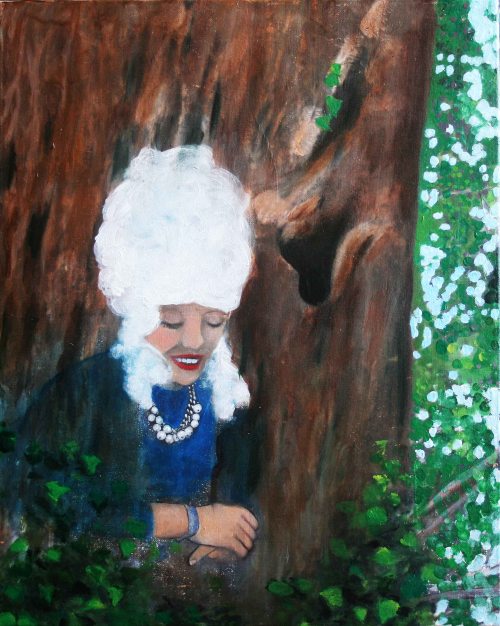
Portrait of Emma

Emma Portrait

Oil on canvas

41 cm x 51 cm

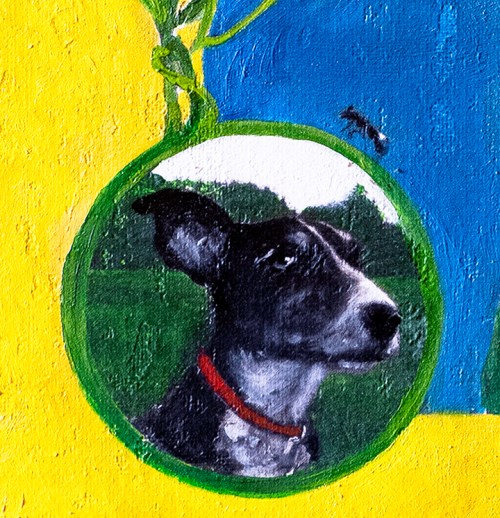
Emma is an Occupational Therapist who is currently working in an Intensive Therapy Unit due to the coronavirus crisis. She says the work is both physically and mentally exhausting and she cries into her mask most shifts. Emma and I bonded over our shared love of animals, gardening, and our shared values including love and respect for the NHS.

Painted for the #portraitsfornhsheroes project

Emma portrait detail

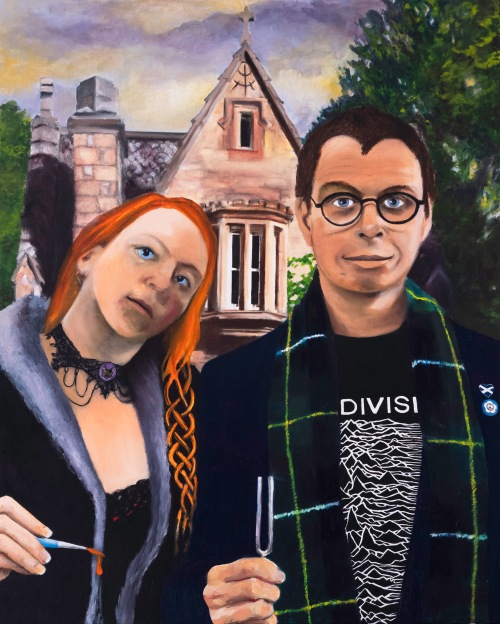
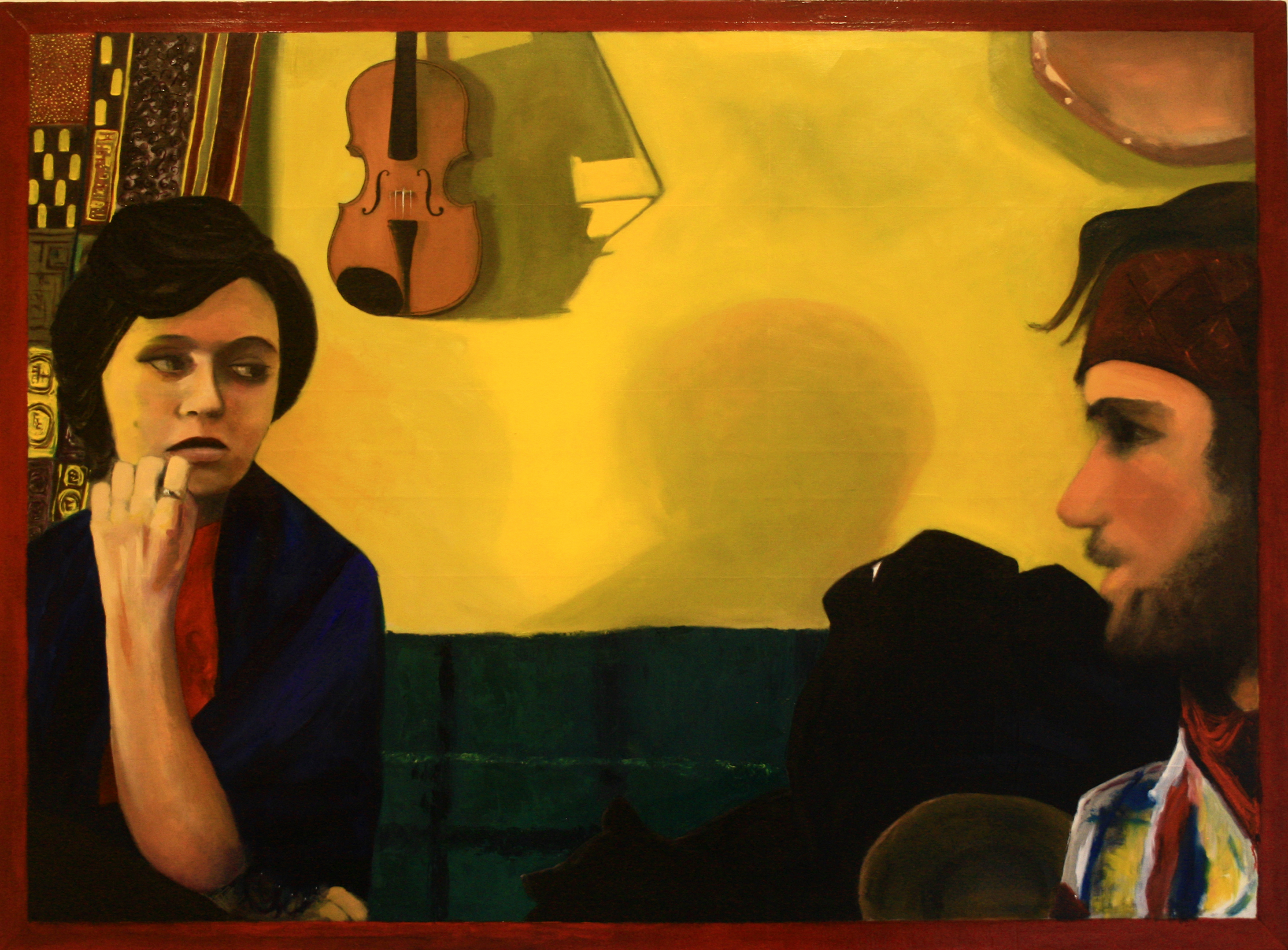
Caledonian Gothic

Caledonian Gothic Eleanor Buffam

Oil on canvas

76 cm x 62 cm

Based loosely on the painting “American Gothic,” this portrait of myself and my luthier husband Joe seeks to answer important questions such as: What does it mean to be Scottish? What does it mean to be American? And what does it mean to be Gothic?

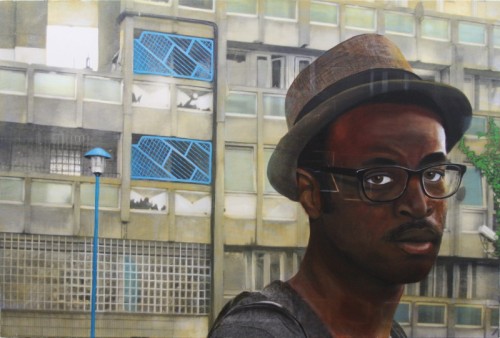
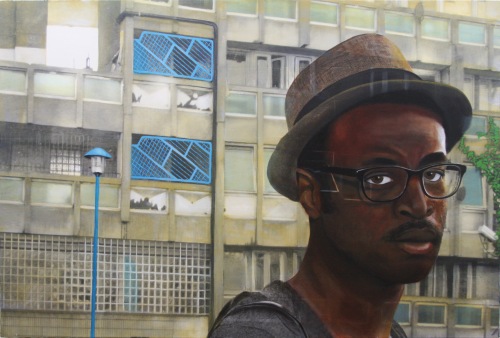
Open Windows: Wana on the Robin Hood Gardens Estate

Open_Windows_Wana_on_the_Robin_Hood_Garden_Estate85 x 125 cm

Acrylic and oil on canvas.

From the series Open Windows: London architecture and architects

Wana Kejeh was born in Bermondsey, South London in 1984. Artistic from an early age, he studied architecture and worked in the architectural field for several years, before returning to art. He ran a gallery in Crystal Palace called the Weekend Gallery – so called because it was only a gallery on the weekends – during the week it was his father’s office for teaching English and business skills to recent immigrants. In 2012 I met him at my MFA degree show, where he invited me to show with him at the Weekend Gallery. The show was a success (I sold a painting!) and we struck up an enduring friendship.

Wana recently left London for Berlin, fleeing the high cost of living.

Eleanor: What is your background in architecture?

Wana: I studied at the University of Sheffield School of Architecture, based at the top of the famous Arts Tower. Back then the brutalist 60s building still had its original minimalist features. In my view there was no better place for a studio, the panoramic views from the 16th floor up were breathtaking. After my degree I worked for LRW [Leach Rhodes Walker] on various social projects including two schools in Ealing and a landscaping project at Tiverton Estate, Haringey. After a year I moved to Lloyd Northover to work on interior design projects.

E: What made you give up on architecture and return to painting?

W: I gave up on the industry when I found the reality of architectural design, especially in the current economic climate, to be restrictive and too commercially driven. I also found the profession to be too life-consuming. And I’m not the type of person to be tied down. I’ve always been an artist, since I was little. I opted to study architecture, rather than go to art school. At this point I was seventeen and my parents were the main influence in that decision. But my careers adviser and my A level art teacher advised me against it and it turns out they were right. Although I realise now that I can work with the extra skills I developed during my education and apply that to my art, so none of it was a waste.

E: You chose the Robin Hood Garden Estate as one of your favourite buildings in London. What does it mean to you?

W: Robin Hood Gardens, by Alison and Peter Smithson, is the ultimate symbol of the ‘Streets In The Sky’ concept. [Streets in the Sky was a style of 1960s-1970s British architecture. Built to replace run-down terraced housing, the new designs included inside toilets, and incorporated shops and other community facilities in the high-rise blocks.] Robin Hood Gardens is also endangered as it is due to be demolished in the coming years, likely to make way for luxury flats to increase land and property value. Cooper’s Road Estate in Bermondsey was my childhood home and it was erased when Southwark council demolished all the flats, so I am absolutely opposed to this form of social cleansing. I wanted to be captured with this building in the background before it was too late.

E: How would you like to see London develop architecturally?

W: London is a city of different sorts and impressive architecture. A lot of the interesting buildings, I find, were built during the massive building boom of the 60s and 70s, and I find concrete to be beautiful. Society and creativity used to be at the heart of design and the results are interesting and quirky. Nowadays economic conditions and budget squeezes are driving down the design quality of new builds, and it’s obvious by their appearance and the materials used. If they want to make cheap buildings why don’t they provide some of these as social housing? It is social housing that is preventing inner London from becoming homogeneous and void of that edge and creativity that made it attract people in the first place.

E: Why did you leave London for Berlin?

W: Since I first visited Berlin in 2003 I took an interest in its scene and its urban and natural landscape. The more I visited, the more friends I made and after a time it took my soul. I decided to take the leap when living in London as an artist became too unsustainable. In terms of architecture Berlin is not as attractive as London, but the stories behind the building styles and patterns have far more depth, particularly concerning the history of East and West Berlin. It is a city where you can be flexible and not worry about class or status. Everyone’s in the same boat, we are all refugees in one form or another, because we are all escaping something… Right now I’m painting in my large bedroom but eventually I’d like to occupy empty spaces and bring them into creative uses.

Flux Exhibition 2-6 November 2016


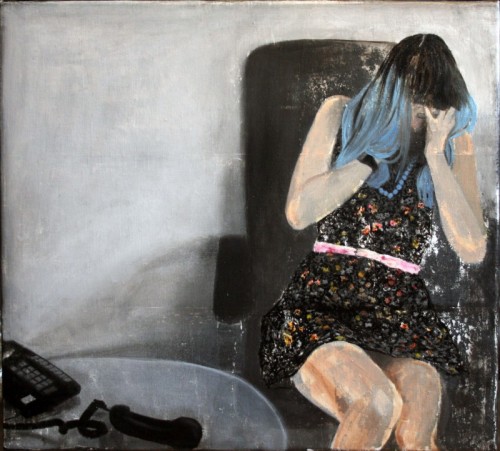
Telephonophobia

Telephonophobia acrylic and oil on canvas 51 cm x 46 cm

From the Facebook event page: Now in it’s third edition, FLUX has established itself as the platform for contemporary artists to be discovered and to be part of an exceptional, unconventional art event.

Hosted by the iconic Old Truman Brewery in East London and curated by Lisa Gray founder of FLUX, this year’s much anticipated exhibition, represents a rare opportunity to gain access to a diverse group of 140 artists, on the path of being the big names of tomorrow. FLUX celebrates dynamic artists on the precipice of wider accolade and fame.
This time Flux will be held in the Old Truman Brewery at 91 Brick Lane, E1 6QL.
Opening Hours:
2nd Nov 11-7pm
3rd Nov 11-5pm (Private View 6.30-9.30pm)
4th Nov 11-7pm
5th Nov 11-7pm
6th Nov 11-6pm

Admission is free.

NOA. National Open Art

Open_Windows_Wana_on_the_Robin_Hood_Garden_Estate

Open Windows: Wana on the Robin Hood Gardens Estate acrylic and oil on canvas 125 cm x 85 cm

I’m thrilled to announce that my painting of Wana has been selected for this years NOA!

The exhibition is at the Mercers’ Hall, Ironmonger Lane, LONDON EC2V 8HE

27 October – 4 November 2016

October | Thu 27 & Fri 28 | 10.00 – 15.00
Sat 29 & Sun 30 | 10.00 – 16.00
Mon 31 | 10.00 – 18.00
Tue 1 & Wed 2 | 10.00 – 18.00
Thu 3 | 10.00 – 17.30 Fri 4 | 10.00 – 18.00

Admission is free.

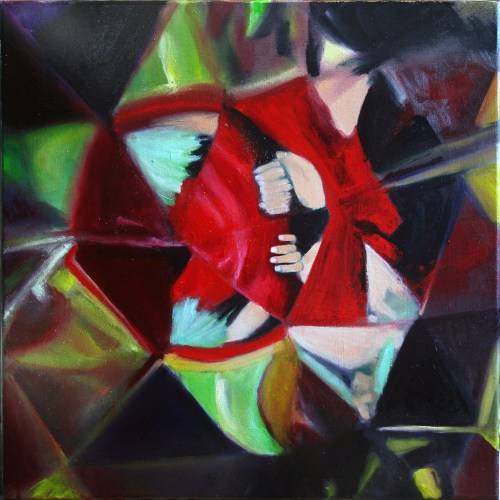
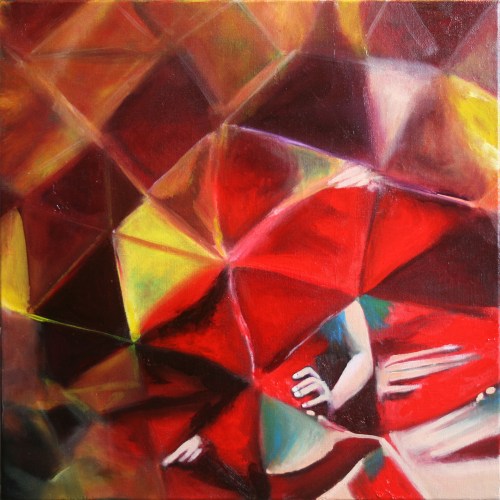
Better Red than Dead (Kaleidoscope Self-Portrait #4)

BetterRedThanDead.jpg

Private collection, London

Oil on canvas, 41cm x 41cm.

The kaleidoscope self-portraits investigate the way my own self-image has developed from reflections and distortions, focusing on specific body parts such as breasts, hips and face. A glanced reflection in a shop window, an image reflected in the eyes of another, a view of myself through the lens of body-shaming media culture, images coloured by emotions and contradictory evaluations- these are all ways that my body is reflected back to me. These paintings, as well as being a poetic representation of these reflections, are also a way to take back control of the portrayal of my own body, and revel in the power of being my own muse.

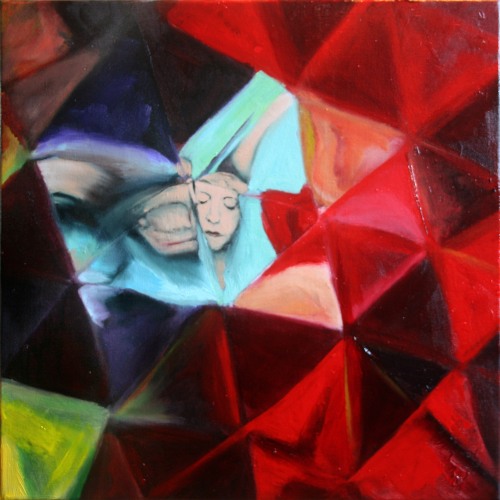
Kaleidoscope Eyes (Self-Portrait Through a Kaleidoscope #2)

KaleidoscopeEyes.jpg

Oil on canvas, 41cm x 41cm.

The kaleidoscope self-portraits investigate the way my own self-image has developed from reflections and distortions, focusing on specific body parts such as breasts, hips and face. A glanced reflection in a shop window, an image reflected in the eyes of another, a view of myself through the lens of body-shaming media culture, images coloured by emotions and contradictory evaluations- these are all ways that my body is reflected back to me. These paintings, as well as being a poetic representation of these reflections, are also a way to take back control of the portrayal of my own body, and revel in the power of being my own muse.


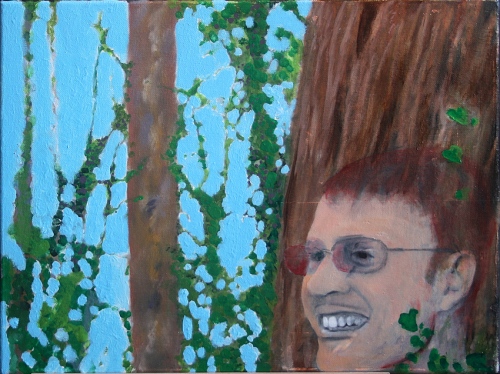
Ben, from Can’t See the Forest

Ben-Can't_See_the_Forest

40cm x 30cm. Oil on canvas.

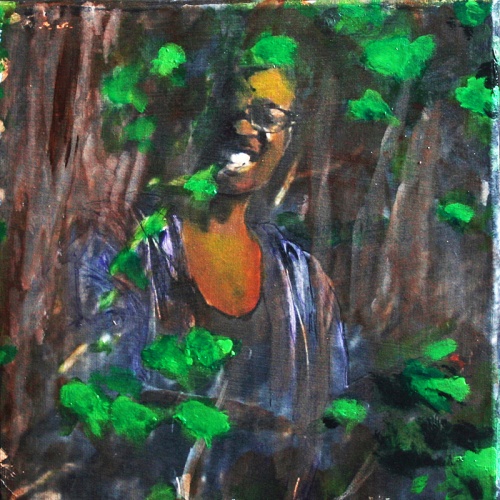
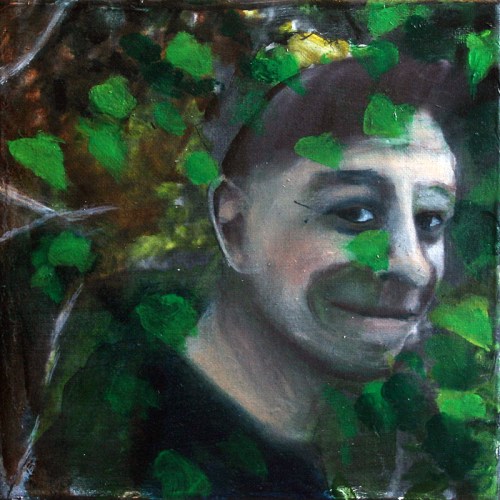
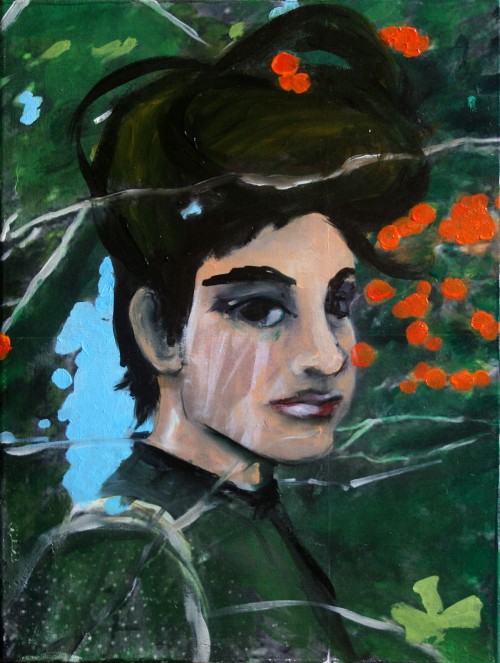
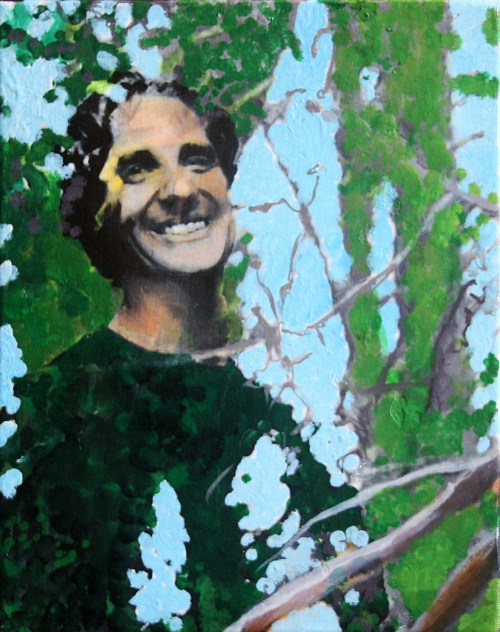
The paintings in Can’t See the Forest are an extension of my Symbiont series; portraits of people merging with trees. The Symbionts are inspired by the cracks in the pavement where trees take root, in the decay and rebirth of the world. They emphasize our interconnectedness with the other living things that make up our planet, and highlight the decisions we need to make if we are to survive as a species.

Can’t See the Forest is comprised of fifteen paintings of varying sizes, which when hung together combine to create a forest scene. Each painting can be viewed either separately or in combination with its companions. Only by viewing them together can one see the whole picture, but only by viewing them separately can one appreciate each individual personality.

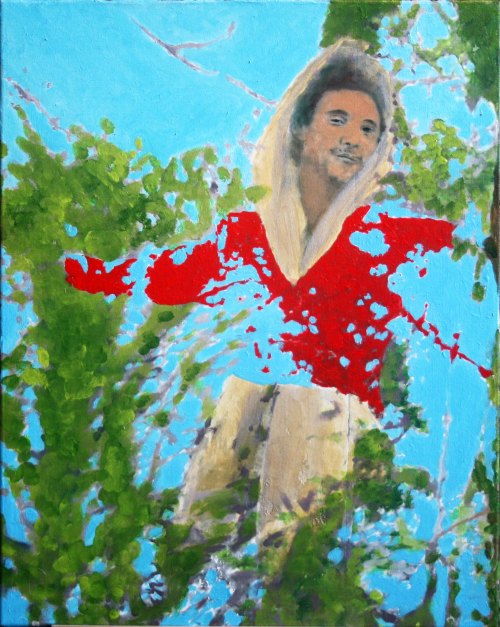
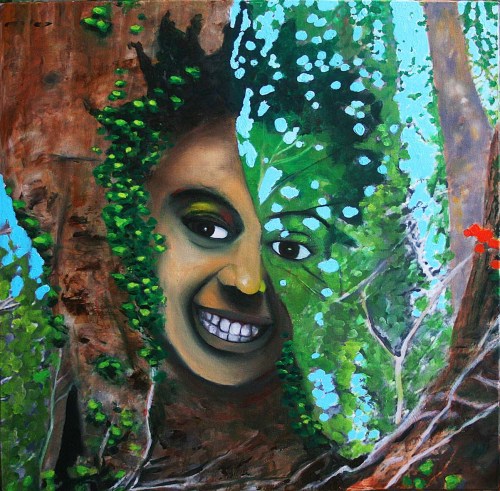
Zia, from Can’t See the Forest

Zia-Can't_See_the_Forest

40cm x 51cm. Acrylic and oil on canvas.

The paintings in Can’t See the Forest are an extension of my Symbiont series; portraits of people merging with trees. The Symbionts are inspired by the cracks in the pavement where trees take root, in the decay and rebirth of the world. They emphasize our interconnectedness with the other living things that make up our planet, and highlight the decisions we need to make if we are to survive as a species.

Can’t See the Forest is comprised of fifteen paintings of varying sizes, which when hung together combine to create a forest scene. Each painting can be viewed either separately or in combination with its companions. Only by viewing them together can one see the whole picture, but only by viewing them separately can one appreciate each individual personality.

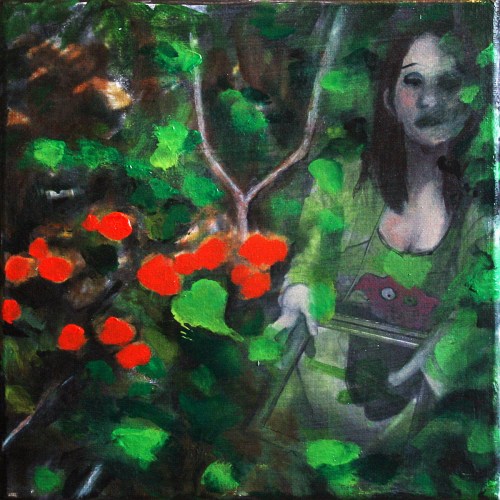
Wana, from Can’t See the Forest

Wana-Can't_See_the_Forest

20cm x20cm. Acrylic and oil on canvas.

The paintings in Can’t See the Forest are an extension of my Symbiont series; portraits of people merging with trees. The Symbionts are inspired by the cracks in the pavement where trees take root, in the decay and rebirth of the world. They emphasize our interconnectedness with the other living things that make up our planet, and highlight the decisions we need to make if we are to survive as a species.

Can’t See the Forest is comprised of fifteen paintings of varying sizes, which when hung together combine to create a forest scene. Each painting can be viewed either separately or in combination with its companions. Only by viewing them together can one see the whole picture, but only by viewing them separately can one appreciate each individual personality.

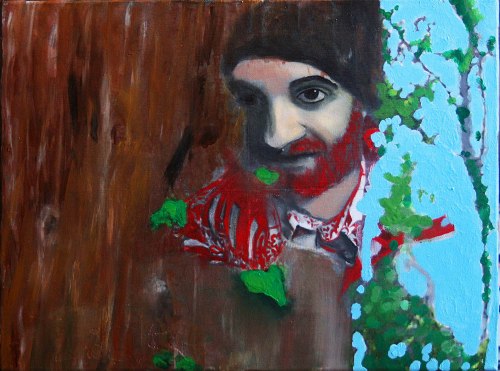
Joe, from Can’t See the Forest

Joe-Can't_See_the_Forest

20cm x 20cm, oil on canvas.

The paintings in Can’t See the Forest are an extension of my Symbiont series; portraits of people merging with trees. The Symbionts are inspired by the cracks in the pavement where trees take root, in the decay and rebirth of the world. They emphasize our interconnectedness with the other living things that make up our planet, and highlight the decisions we need to make if we are to survive as a species.

Can’t See the Forest is comprised of fifteen paintings of varying sizes, which when hung together combine to create a forest scene. Each painting can be viewed either separately or in combination with its companions. Only by viewing them together can one see the whole picture, but only by viewing them separately can one appreciate each individual personality.

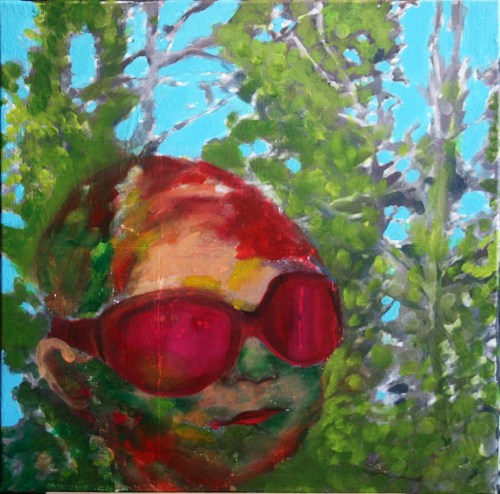
Holly, from Can’t See the Forest

Holly-Can't_See_the_Forest

40cm x 50cm. Oil on canvas.

The paintings in Can’t See the Forest are an extension of my Symbiont series; portraits of people merging with trees. The Symbionts are inspired by the cracks in the pavement where trees take root, in the decay and rebirth of the world. They emphasize our interconnectedness with the other living things that make up our planet, and highlight the decisions we need to make if we are to survive as a species.

Can’t See the Forest is comprised of fifteen paintings of varying sizes, which when hung together combine to create a forest scene. Each painting can be viewed either separately or in combination with its companions. Only by viewing them together can one see the whole picture, but only by viewing them separately can one appreciate each individual personality.

Joel, from Can’t See the Forest

Joel-Can't_See_The_Forest

20cm x 25cm. Acrylic and oil on canvas.

The paintings in Can’t See the Forest are an extension of my Symbiont series; portraits of people merging with trees. The Symbionts are inspired by the cracks in the pavement where trees take root, in the decay and rebirth of the world. They emphasize our interconnectedness with the other living things that make up our planet, and highlight the decisions we need to make if we are to survive as a species.

Can’t See the Forest is comprised of fifteen paintings of varying sizes, which when hung together combine to create a forest scene. Each painting can be viewed either separately or in combination with its companions. Only by viewing them together can one see the whole picture, but only by viewing them separately can one appreciate each individual personality.

Tilly, from Can’t See the Forest

Tilly-Can't_See_The_Forest

40cm x 50cm. Acrylic and oil on canvas.

The paintings in Can’t See the Forest are an extension of my Symbiont series; portraits of people merging with trees. The Symbionts are inspired by the cracks in the pavement where trees take root, in the decay and rebirth of the world. They emphasize our interconnectedness with the other living things that make up our planet, and highlight the decisions we need to make if we are to survive as a species.

Can’t See the Forest is comprised of fifteen paintings of varying sizes, which when hung together combine to create a forest scene. Each painting can be viewed either separately or in combination with its companions. Only by viewing them together can one see the whole picture, but only by viewing them separately can one appreciate each individual personality.

Attraction/Refraction (Self-Portrait Through a Kaleidoscope #1)

AttractionRefraction

Private Collection, London

oil on canvas, 41cm x 41cm

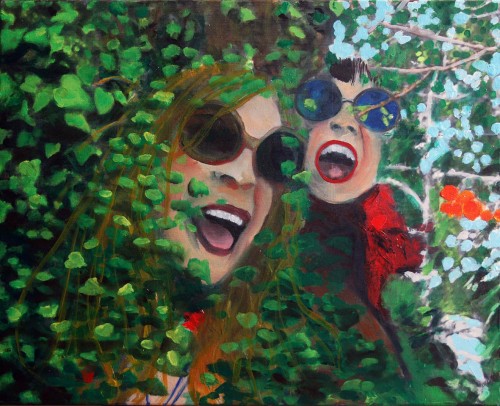
Sarah and Lynnie, from Can’t See the Forest

Buffam_Eleanor_'Sarah_and_Lynnie'

Oil on canvas

51cm x 41cm

The paintings in Can’t See the Forest are an extension of my Symbiont series; portraits of people merging with trees. The Symbionts are inspired by the cracks in the pavement where trees take root, in the decay and rebirth of the world. They emphasize our interconnectedness with the other living things that make up our planet, and highlight the decisions we need to make if we are to survive as a species.

Can’t See the Forest is comprised of fifteen paintings of varying sizes, which when hung together combine to create a forest scene. Each painting can be viewed either separately or in combination with its companions. Only by viewing them together can one see the whole picture, but only by viewing them separately can one appreciate each individual personality.

Karolina, from Can’t See the Forest

Buffam_Eleanor_'Karolina'

Acrylic and oil on canvas

20cm x 20cm

The paintings in Can’t See the Forest are an extension of my Symbiont series; portraits of people merging with trees. The Symbionts are inspired by the cracks in the pavement where trees take root, in the decay and rebirth of the world. They emphasize our interconnectedness with the other living things that make up our planet, and highlight the decisions we need to make if we are to survive as a species.

Can’t See the Forest is comprised of fifteen paintings of varying sizes, which when hung together combine to create a forest scene. Each painting can be viewed either separately or in combination with its companions. Only by viewing them together can one see the whole picture, but only by viewing them separately can one appreciate each individual personality.

Cooper, from Can’t See the Forest

Buffam_Eleanor_'Cooper'

41cm x 41cm

Oil on canvas

The paintings in Can’t See the Forest are an extension of my Symbiont series; portraits of people merging with trees. The Symbionts are inspired by the cracks in the pavement where trees take root, in the decay and rebirth of the world. They emphasize our interconnectedness with the other living things that make up our planet, and highlight the decisions we need to make if we are to survive as a species.

Can’t See the Forest is comprised of fifteen paintings of varying sizes, which when hung together combine to create a forest scene. Each painting can be viewed either separately or in combination with its companions. Only by viewing them together can one see the whole picture, but only by viewing them separately can one appreciate each individual personality.

Bobbles, from Can’t See the Forest

Buffam_Eleanor_'Bobbles'

41cm x 31cm

Oil on canvas

The paintings in Can’t See the Forest are an extension of my Symbiont series; portraits of people merging with trees. The Symbionts are inspired by the cracks in the pavement where trees take root, in the decay and rebirth of the world. They emphasize our interconnectedness with the other living things that make up our planet, and highlight the decisions we need to make if we are to survive as a species.

Can’t See the Forest is comprised of fifteen paintings of varying sizes, which when hung together combine to create a forest scene. Each painting can be viewed either separately or in combination with its companions. Only by viewing them together can one see the whole picture, but only by viewing them separately can one appreciate each individual personality.

Chelsa, from Can’t See the Forest

Buffam_Eleanor_'Chelsa'

Private collection, London

61cm x 61cm

Oil on canvas

The paintings in Can’t See the Forest are an extension of my Symbiont series; portraits of people merging with trees. The Symbionts are inspired by the cracks in the pavement where trees take root, in the decay and rebirth of the world. They emphasize our interconnectedness with the other living things that make up our planet, and highlight the decisions we need to make if we are to survive as a species.

Can’t See the Forest is comprised of fifteen paintings of varying sizes, which when hung together combine to create a forest scene. Each painting can be viewed either separately or in combination with its companions. Only by viewing them together can one see the whole picture, but only by viewing them separately can one appreciate each individual personality.

Ruminating

Ruminating Acrylic and oil on canvas 75cm x 55cm

Ruminating
Acrylic and oil on canvas
75cm x 55cm

Lucy as Aries.

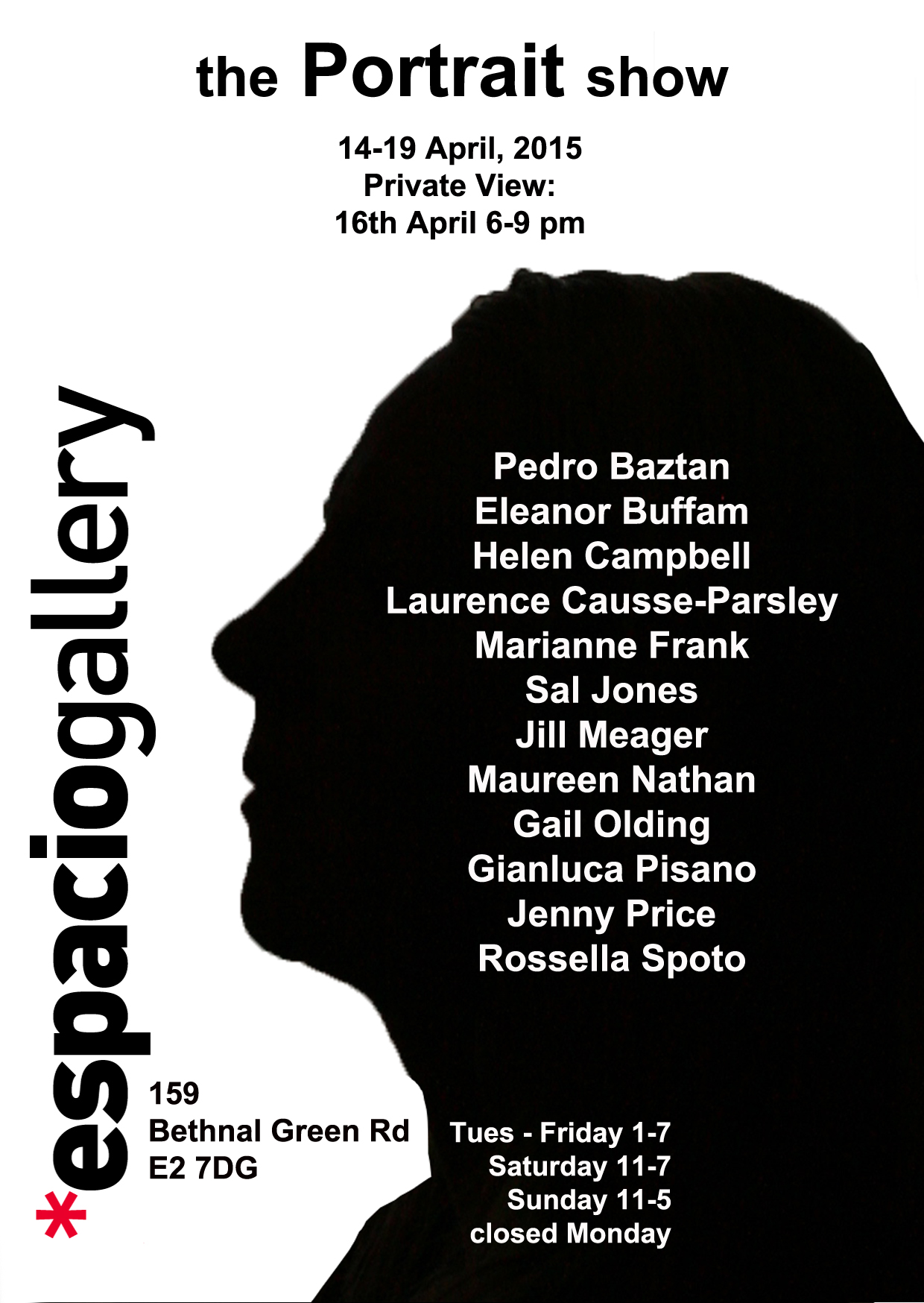
the Portrait show – 14-19 April, 2015

Portrait_flyer

This year’s Portrait show at Espacio will be absolutely amazing- mark your calendars, I’ll see you there.

Study for Miriam:Resurrection

Study_for_Miriam_Resurrection

15 x 21 cm

Acrylic on canvas

Private Collection. Liverpool, UK

The Beholder

The_Beholder_smaller

Private collection, Guildford

75 x 125 cm

Acrylic and oil on canvas

Image

Julia

Julia_Painting

76  x 125 cm

Acrylic and oil on canvas


Solo Show at Artefacto- Private View 22 May

ARTEFACTO

ARTEFACTO GALLERY

Show runs from May 22nd to June 26th

at Artefacto, 476 Leytonstone High Road,London E11 3HN

The Space Between Us

Oil on Canvas 124 x 75 cm

90 x 125 cm

Oil on canvas

Gallery

Heaven and Hell Closing Party- Saturday 1st February 6-9pm

This gallery contains 3 photos.

1/2/2013

fun a day

Giorgia at the Clapton Hart

February 2013- Portrait A Day.

The first annual London Fun A Day exhibit will take place 22-24 March. Probably at the Weekend Gallery in Crystal Palace. Stay tuned for details!